
Choosing Quality Wood Veneer: A Comprehensive Guide
When it comes to woodworking and furniture design, the choice of materials can significantly impact the final product’s quality and aesthetic appeal. Among these materials, wood veneer stands out as a popular choice due to its versatility and beauty. However, not all wood veneers are created equal. To ensure you select a high-quality veneer that meets your needs, consider the following essential factors.
The first step in choosing good quality wood veneer is to closely examine its appearance. A high-quality veneer should have a flat and smooth surface, free from any imperfections such as bubbling, cracks, or insect bites. These flaws not only detract from the veneer’s visual appeal but can also compromise its durability.
When selecting a specific type of veneer, such as walnut, pay attention to the color. A premium walnut veneer should exhibit a natural gradient, transitioning seamlessly from dark brown to light brown. Uniformity in color is crucial; any noticeable color differences can indicate inferior quality or poor processing techniques.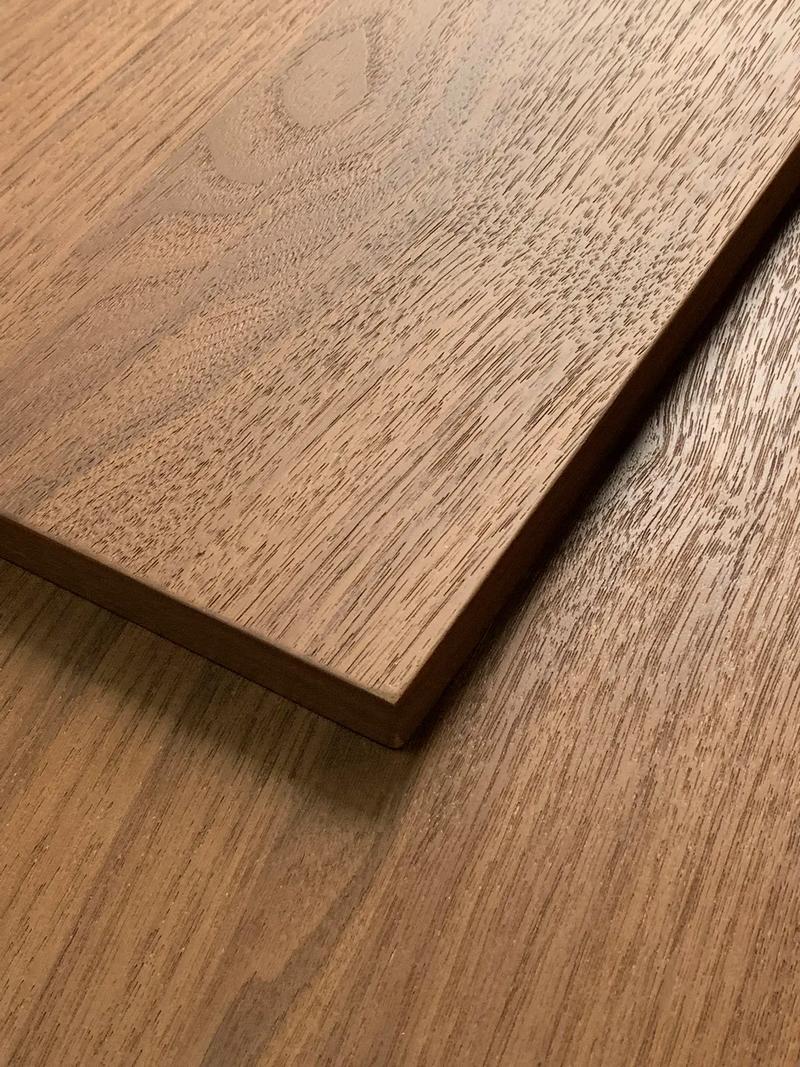
Next, it’s important to touch and feel the veneer. Gently stroking the surface can provide valuable insights into its quality. A high-quality wood veneer should have a delicate and smooth texture, devoid of any roughness or prickling sensations. This smoothness is a reflection of the fine processing technology used in its production. If the veneer feels coarse or uneven, it may not be of the best quality.
The base material of the veneer is another critical factor to consider. High-quality veneers are typically backed by robust base materials that enhance their strength and durability. When shopping for wood veneer, inquire about the type of base material used. Multi-layer plywood is often a superior choice compared to inferior particleboard, as it offers greater resistance to deformation and wear over time.
To assess the quality of the base material, observe the cross-section of the veneer. A well-constructed veneer will display clear layers with firm gluing, indicating a solid and reliable foundation. Avoid veneers that appear flimsy or poorly constructed, as they are likely to deteriorate more quickly.
Finally, don’t underestimate the importance of smell when selecting wood veneer. A high-quality veneer should emit a subtle wood fragrance, indicative of natural materials. However, if you detect a pungent formaldehyde smell, it may be a red flag. This odor often suggests that inferior adhesives were used during production, which can pose health risks over time. Prolonged exposure to such materials can lead to various health issues, making it essential to choose veneers that meet environmental protection standards.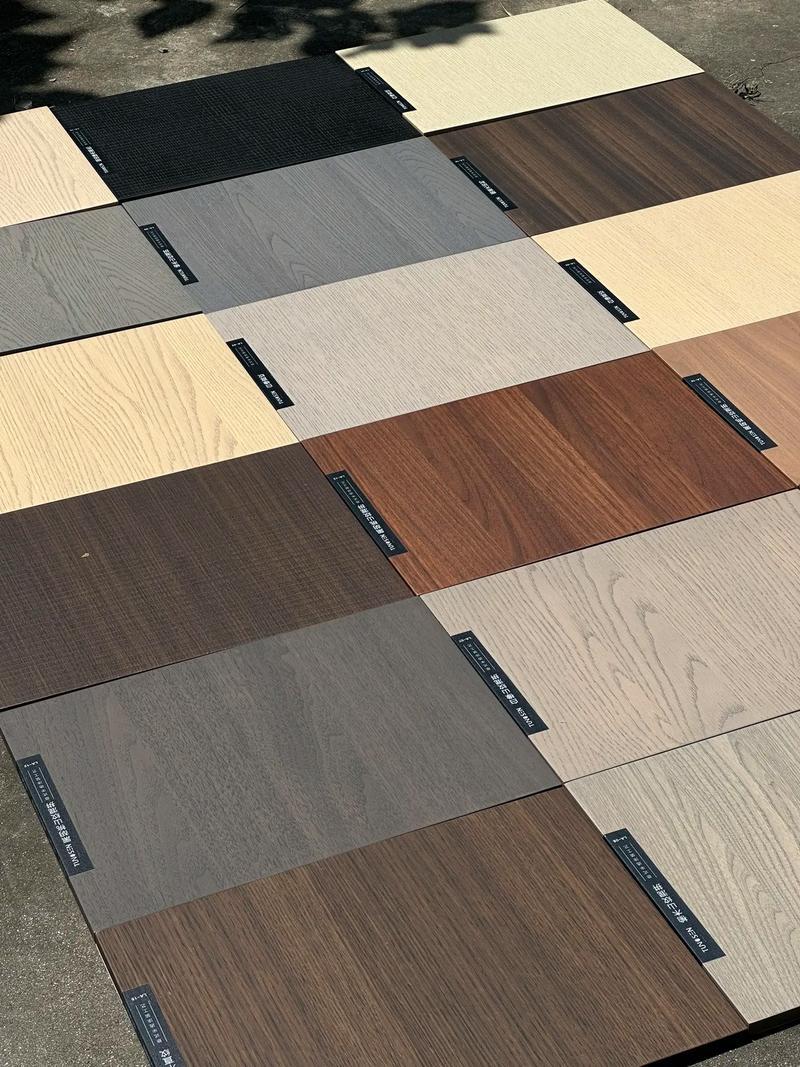
Conclusion
In summary, selecting good quality wood veneer involves a careful examination of its appearance, texture, base material, and even its smell. By following these guidelines, you can ensure that you choose a veneer that not only enhances the beauty of your woodworking projects but also stands the test of time. Whether you are a professional woodworker or a DIY enthusiast, investing in high-quality wood veneer will ultimately lead to better results and greater satisfaction with your finished products. Remember, the right veneer can elevate your work, making it not just functional but also a true work of art.
Wood decoration panel is a thin multi-layer wood veneer coating board, the thickness of about 3mm to 6mm, not wall panel! ! ! The wall panel thickness is 1.5-1.8cm, we must distinguish clearly!!
Wood veneer material: Now on the market more wood veneer is generally divided into two kinds:

Wood veneer installation:
Color selection small tip: A large area of wood veneer on the wall, darker than a small piece on the color board!! Deeper!! Deeper dark!! Wood panels in different light, the color is not the same! ! So when you choose, it is best to choose the color plate under different light and dark light, so that. The difference in psychological expectations after the wall is not much.